Key takeaways
Start with your evening consumption, not your daytime solar peak.
A 2.5 kWh usable increment keeps the system upgradeable later.
Backup needs depend on which circuits you keep alive, not the whole house.
Start with the evening, not the daylight
Most Australian households use the bulk of their electricity before sunrise and after sunset. That is exactly when panels produce nothing, and exactly the window a battery is built for. Pull up your recent bills or app data and look at the average kWh you consume between 5 pm and 11 pm — that single number is a better starting point than any rule of thumb.
A household that cooks, runs air conditioning and charges devices in the evening might land between 6 and 10 kWh. A lighter household can sit comfortably under 5 kWh. Neither is wrong; the goal is matching the battery to the routine you actually live.
Think in increments, not absolutes
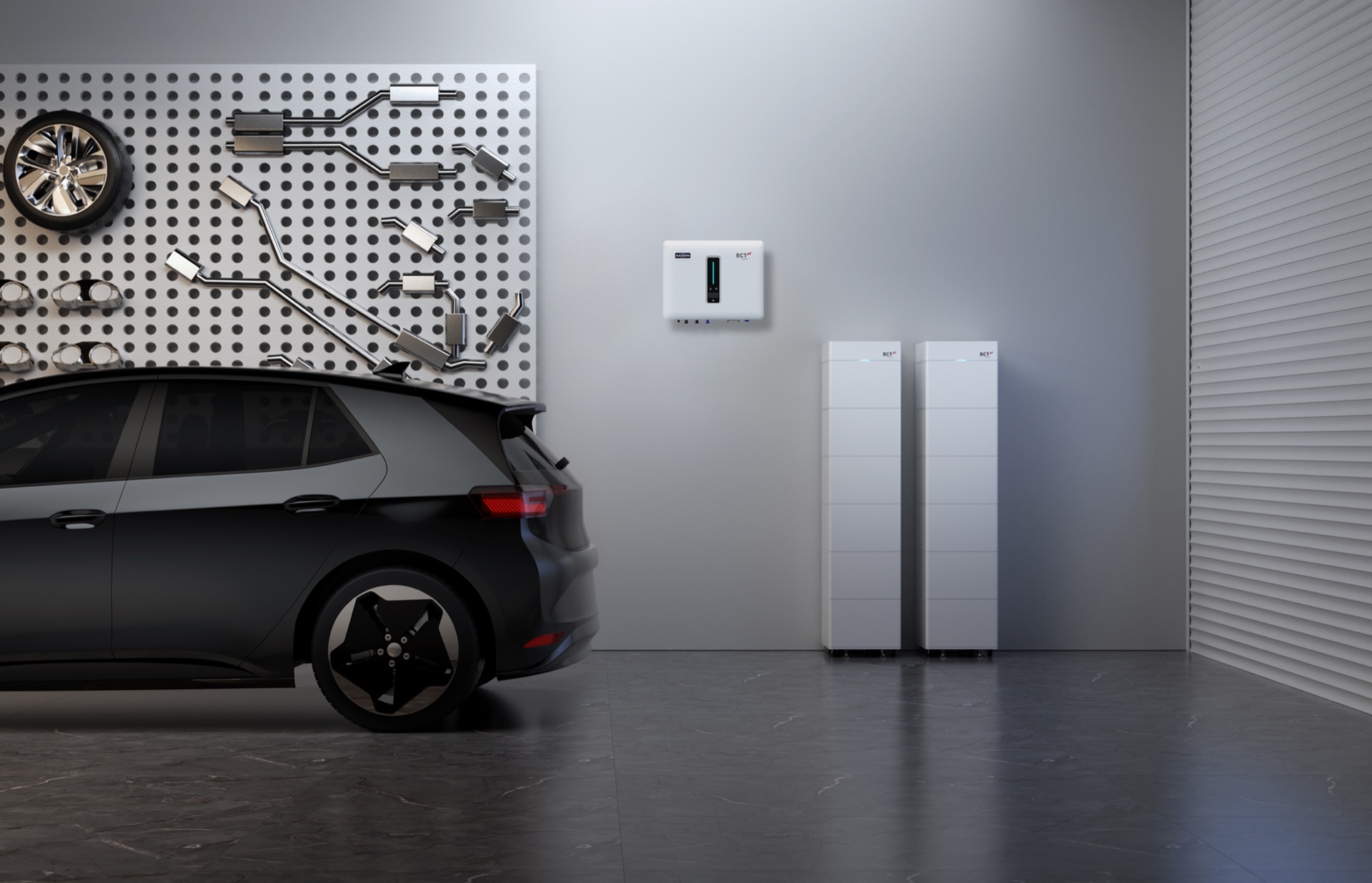
Modular battery systems let you start with the capacity you need today and add modules as your usage grows — a new appliance, a work-from-home season, or an EV arriving in the driveway. A 2.5 kWh usable increment is enough to grow without replacing the cabinet on the wall.
Size backup separately
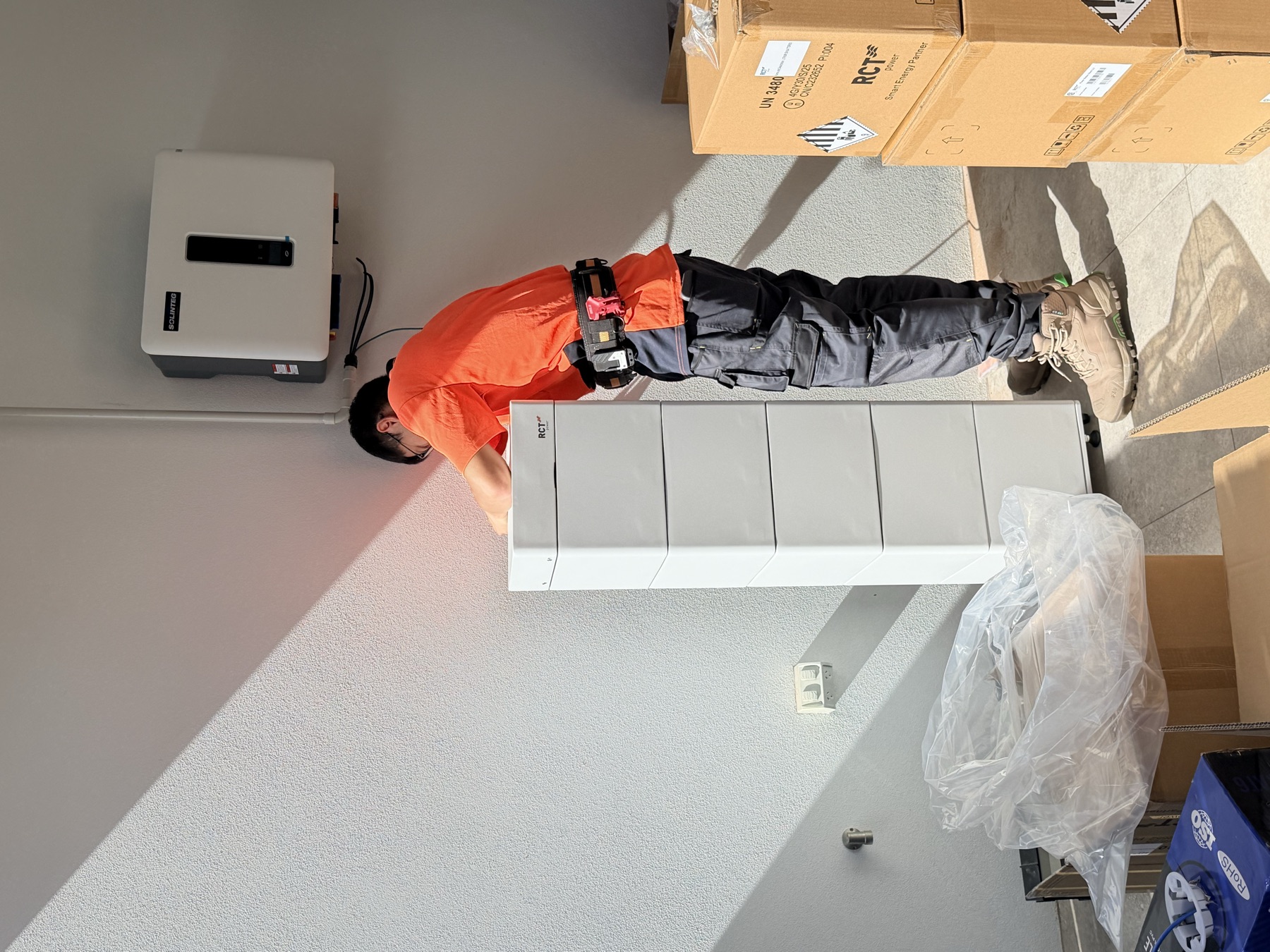
If blackout protection is part of the plan, decide which circuits matter: fridge, internet, a few lights, perhaps an air conditioner. Keeping the essentials alive is a much smaller job — and a much smaller battery — than running the whole switchboard.
A fast switchover matters here too. When the inverter and battery are engineered as one system, the handover from grid to battery can happen in under ten milliseconds — quickly enough that your fridge never blinks.
The tariff question
If you are on a time-of-use tariff, the maths changes again: a modest battery charged by cheap afternoon solar can discharge through the expensive evening peak, paying for itself faster than a larger system sized for full energy independence. Model both scenarios before you sign anything.
The practical answer
For most Brisbane homes we design, the sweet spot lands between 5 and 15 kWh of usable capacity with room to grow. Bring us a recent bill and we will model your actual evening profile — that conversation takes twenty minutes and usually saves thousands.