
Key takeaways
-
TOPCon: leading efficiency per dollar, strong dual-glass durability.
-
Back-contact: the cleanest roof plane, no visible busbars.
-
Both carry 25–30 year linear warranties from tier-1 makers.
Two ways to lose less sunlight
Every panel technology is an argument about losses. N-type TOPCon layers a passivating contact onto the cell front to squeeze out recombination losses; back-contact designs move every conductor to the rear face so the front is pure silicon. Both push module efficiency into the mid-23s and beyond.
The value argument for TOPCon
TOPCon modules deliver some of the best watt-per-dollar on the market, in dual-glass construction rated for decades of weather. If your roof is generous and you want maximum harvest per instalment dollar, this is the straightforward pick.
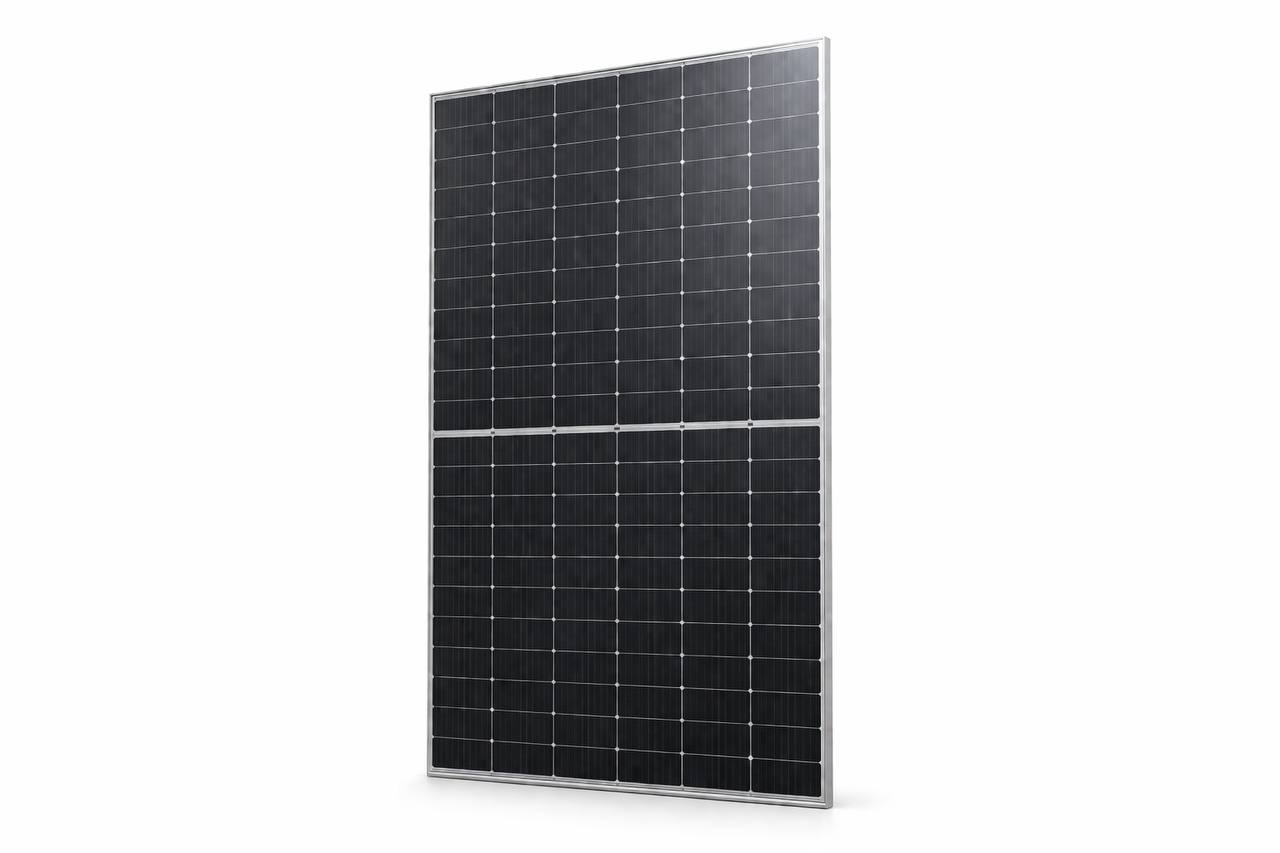
The architecture argument for back-contact
Back-contact cells have no busbars on the front, so an all-black module reads as a single dark plane from the street. On homes where the roof is part of the streetscape — heritage overlays, architect-designed builds — that visual quietness is worth real money.
How we choose
Roof size, budget, shading profile and how visible the roof is all shift the answer. We quote both architectures side by side with the same inverter platform, so the comparison is honest.